

How you can write code today
Why is it important to learn to code?
In today’s rapidly evolving digital landscape, acquiring programming skills is more than just a trend; it has become a fundamental necessity. The ability to code opens a myriad of opportunities across various sectors, reflecting the growing reliance on technology for business operations, communication, and daily life. From software development to data analysis, the demand for skilled programmers continues to rise, making coding an invaluable asset in both the job market and personal development.
Many industries are experiencing a significant shift due to digital transformation, which emphasizes the importance of coding skills. Sectors such as healthcare, finance, and manufacturing increasingly depend on technology-driven solutions to enhance efficiency and innovation. Consequently, individuals who possess the ability to code are at a distinct advantage, as they can contribute to these advancements and secure lucrative positions within these fields. Furthermore, as more companies embrace automation and artificial intelligence, the need for programmers who can develop and maintain these systems becomes increasingly critical.
Beyond career opportunities, learning to code enhances one’s problem-solving abilities. Coding teaches individuals to think logically and break down complex tasks into manageable steps. This analytical mindset is applicable not only in programming but also in various aspects of life, enabling one to tackle challenges effectively and creatively. Moreover, as learners navigate through different programming languages and paradigms, they build resilience and adaptability in their approach to problems.
Choosing the right programming language as a starting point is crucial. With a plethora of languages available, beginners should consider those that align with their interests and career goals. Languages like Python, known for its simplicity and versatility, are often recommended for newcomers. By selecting an appropriate language and engaging with the coding community, learners can cultivate their skills and pave the way for a successful journey into the world of programming.
Why C is the Mother Language of Programming
The C programming language is often referred to as the “mother of programming languages” due to its foundational role in the evolution of many contemporary programming languages. First developed in the early 1970s, C has influenced numerous languages, including C++, Java, and Python. Its design encourages a procedural programming approach, making it an excellent starting point for beginners who want to grasp fundamental programming concepts.
One of the key features of C is its simplicity. The language’s syntax is straightforward, allowing new programmers to quickly understand the basic constructs required for coding. This simplicity does not compromise the power and flexibility of the language; rather, it provides an effective framework for understanding more complex languages and paradigms. As a result, mastering C can significantly enhance a beginner’s programming skills and confidence.
Efficiency is another hallmark of the C programming language. C allows for low-level memory manipulation, which promotes the development of high-performance applications. This efficiency has made C a preferred choice for system programming, compiler development, and embedded systems. Understanding these concepts through C can provide insights into how software operates at a fundamental level.
Portability is an important factor that contributes to the relevance of C today. Programs written in C can be compiled and run on various platforms with minimal modifications. This cross-platform capability is vital for developers who seek to create applications that can function across multiple operating systems and devices.
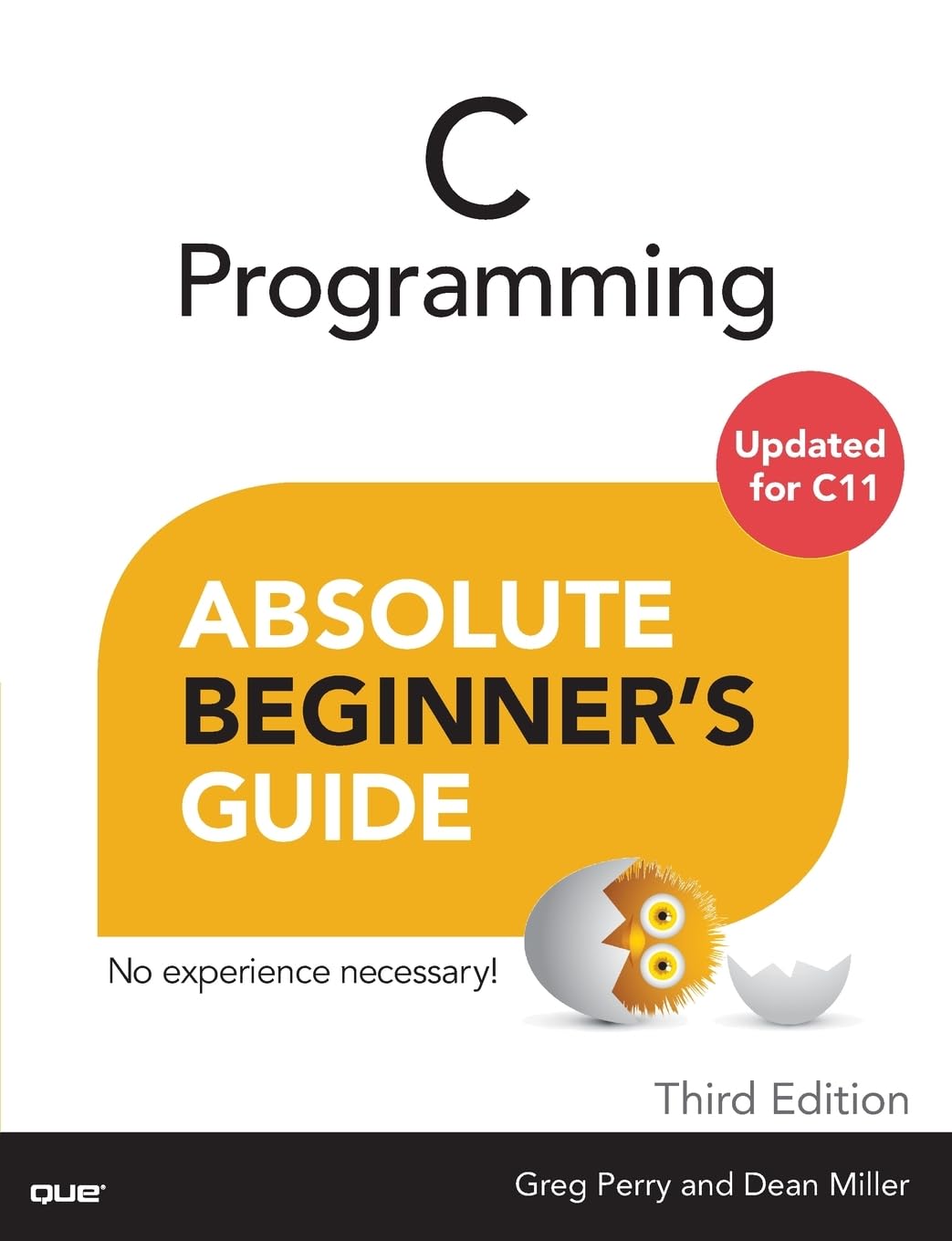
For those looking to embark on their coding journey with C, several beginner-friendly books can facilitate learning. Titles such as “The C Programming Language” by Brian W. Kernighan and Dennis M. Ritchie, as well as “C Programming Absolute Beginner’s Guide” by Greg Perry, provide clear explanations and practical examples. These resources not only teach the syntax but also introduce fundamental programming concepts, making them ideal for novices.

Getting Started with Python: Installation and Basic Arithmetic Programs
Python has emerged as one of the most popular programming languages due to its simplicity and readability, making it an ideal choice for beginners. The initial step to start your coding journey is installing Python on your computer. Python is available on various operating systems, including Windows, macOS, and Linux.
For Windows users, you can download the Python installer from the official Python website. Ensure you select the checkbox to add Python to your system’s PATH during the installation process.
For macOS, Python 3 typically comes pre-installed, but you can always download the latest version if needed. Linux users can install Python using their package manager; for instance, Ubuntu users can use the command ‘sudo apt-get install python3’.
Once Python is installed, setting up a coding environment is crucial. Many beginners prefer using an Integrated Development Environment (IDE) like PyCharm or Visual Studio Code, which provide user-friendly interfaces for coding, debugging, and managing projects. Alternatively, you can use simple text editors such as Notepad or Sublime Text for writing code.
After configuring your environment, it is time to write your first program. Start by creating a new Python file with a .py extension. Python’s syntax is uncomplicated, which allows beginners to quickly grasp fundamental programming concepts. A common first program is a simple arithmetic calculator. For instance, write a program that adds two numbers:
# This program adds two numbers
num1 = 5
num2 = 3
sum = num1 + num2
print("The sum is:", sum)
This basic script introduces variable assignment, arithmetic operations, and printing output to the console. As you become more comfortable, you can explore other arithmetic operations, such as subtraction, multiplication, and division, fostering a solid foundation in programming with Python.
Advancing Your Skills: Exploring Modern C and Rust
As you deepen your understanding of programming, transitioning from basic languages like C and Python to more advanced concepts becomes essential. C, being a foundational language in computer science, offers a wealth of advanced topics worth exploring. These include pointers, memory management, and data structures which provide insights into how software interacts with hardware. Mastering these concepts not only enhances your logical thinking but also prepares you for crafting optimized, robust code.
One of the significant advancements in C is the introduction of modern features in the C11 standard, such as multi-threading capabilities and improved type-generic programming. These features help you write code that is both efficient and easier to maintain. As you become familiar with these improvements, you will find the transition to modern programming languages like Rust more intuitive.
Rust is gaining popularity for its focus on safety and concurrency. Designed with performance in mind, it eliminates common issues found in C, such as null pointer dereferencing and data races, through its unique ownership model. Learning Rust can be particularly beneficial if you are interested in systems programming or game development, where performance is critical. Moreover, Rust’s modern syntax and powerful tooling simplify many programming tasks, encouraging cleaner code and facilitating collaborative projects.
To aid your learning journey, there are numerous resources available. Websites like Codecademy and Rust’s own official documentation provide interactive tutorials that make mastering these languages engaging. Additionally, engaging with communities on platforms like GitHub or Stack Overflow can provide support and enhance your coding experience. By committing to further develop your skills in C and exploring Rust, you can position yourself at the forefront of modern programming.